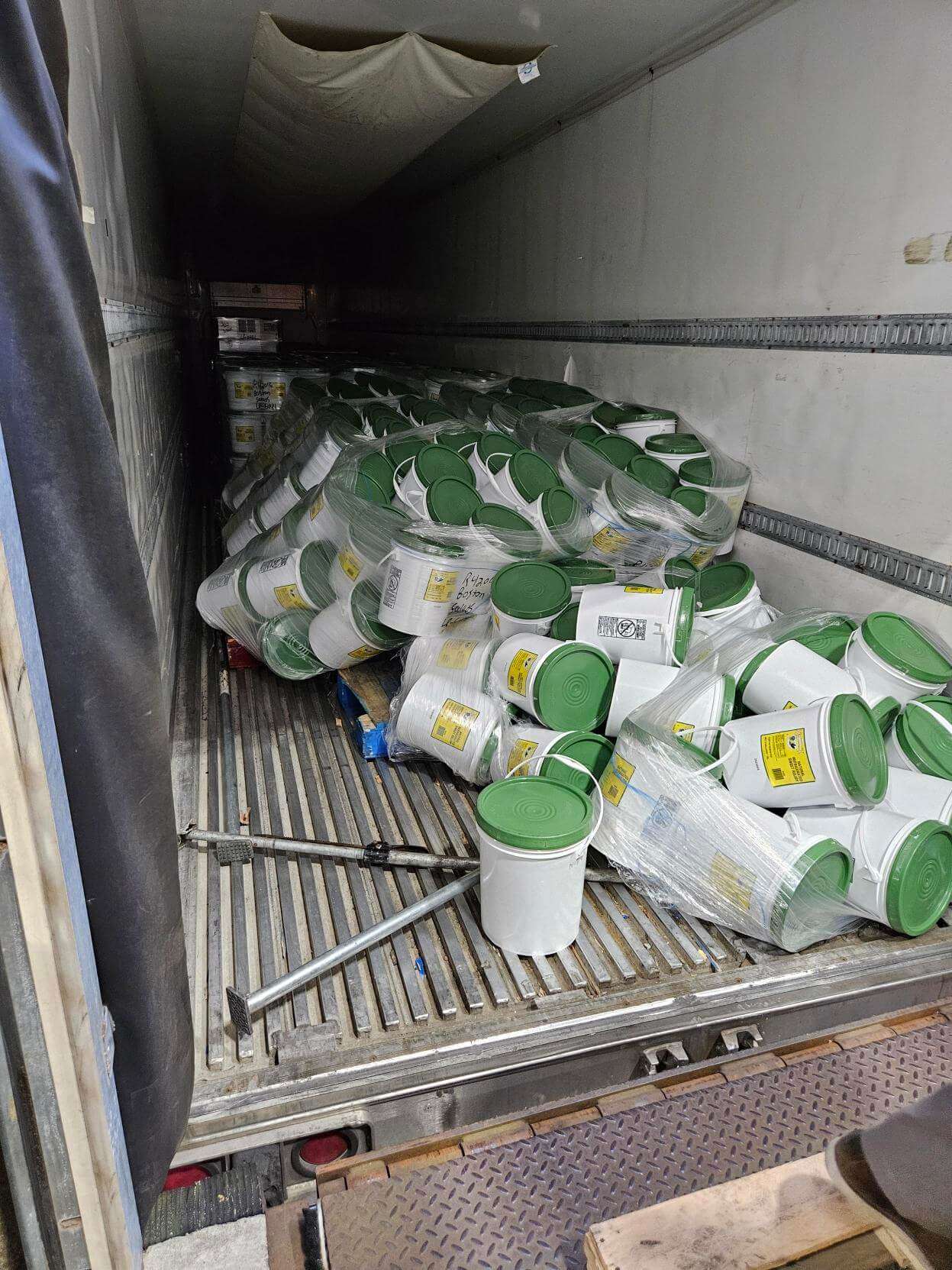
Despite careful planning and coordination, issues can arise during transportation and delivery of cargo. This is where OS&D (Overages, Shortages, and Damages) comes into play. OS&D reporting is a critical process that helps logistics professionals address discrepancies in shipments efficiently and move forward with a plan that is best for all parties. In this blog post, we’ll explain what OS&D is, break down each component, explain why it’s important, and share best practices for managing OS&D effectively so follow along if you’d like to learn more!
What Does OS&D Stand For?
OS&D stands for Overages, Shortages, and Damages, which are three common shipment discrepancies encountered in logistics:
- Overages are when a shipment contains more products than ordered or expected.
- Shortages are when a shipment contains fewer products than ordered or items are missing entirely.
- Damages are when products arrive damaged or in an unsellable condition. This is usually due to mishandling, improper packaging, or accidents during transit.
Breaking it Down: OS&D Key Definitions
a. Overages
As we mentioned, overages happen when the quantity of goods received exceeds the quantity stated on the purchase order. While it might seem like a bonus for the recipient, overages can create complications such as:
- Logistical headaches if there isn’t sufficient storage space.
- Incorrect inventory records can disrupt future planning.
- Ethical and financial concerns may arise if there isn’t a set protocol on whether to return or pay for excess items.
b. Shortages
Shortages occur when part of a shipment is missing. These are often the result of:
- Errors during either the order picking or packing.
- Misplacement or sometimes theft during transit.
- Mislabeling or incorrect shipment documentation.
Shortages can cause shipping delays and financial losses, especially if the supplies in question are critical.
c. Damages
Damages occur when goods arrive broken or otherwise unusable. The more common causes of damages include:
- Rough handling during loading or unloading.
- Inadequate packaging.
- Environmental factors like moisture or temperature fluctuations.
Damaged goods can result in significant financial losses, customer dissatisfaction, and strained supplier relationships so they are to be avoided at all costs.
Why Is OS&D Reporting Important?
Proper OS&D reporting is essential for maintaining the integrity of supply chain operations because it includes the following:
- Accountability: Identifying and documenting discrepancies helps determine where errors occurred and who is accountable.
- Cost Recovery: Accurate OS&D reports are often required to file claims with carriers or suppliers for reimbursement or replacement.
- Inventory Accuracy: Addressing overages and shortages ensures inventory records remain accurate.
- Customer Satisfaction: Resolving OS&D issues quickly helps maintain strong relationships with customers, giving them the confidence that even if things go wrong, you know how to reach a solution that is best for them.
OS&D is not just about identifying errors, but also resolving them efficiently to minimize disruption and financial loss.
Best Practices for Managing OS&D
Effectively managing OS&D requires proactive measures and clear processes. Here are some ways you can set up best practices:
a. Inspect Shipments Immediately
- Upon arrival, all shipments should be immediately inspected for overages, shortages, and damages.
- Document any discrepancies with both photos and detailed notes.
b. Accurate Documentation
- Maintain detailed reports, including order numbers, product SKUs, quantities, and descriptions of the damages.
- Ensure reports are filed promptly and shared with all relevant stakeholders.
c. Train Your Staff
- Train warehouse staff on proper inspection protocols to ensure they are setting you up for success.
- Educate teams on how to identify and document OS&D issues accurately.
d. Communicate Clearly
- Inform suppliers, carriers, and/or customers about discrepancies immediately.
- Maintain open communication to resolve issues quickly and efficiently.
e. Utilize Technology!
- Utilizing technology is often one of the easiest ways to reduce errors. Invest in inventory management systems (IMS) to reduce manual errors.
- Utilize barcode scanning and RFID technology for accurate shipment tracking.
f. File Claims Promptly
- Submit claims to carriers or suppliers as soon as discrepancies are discovered.
- Provide all necessary documentation, including photos, inspection reports, and shipping manifests to be sure you are painting an accurate picture of what the shipment should have been and what the reality is.
Properly handling overages, shortages, and damages requires vigilance, clear processes, and effective communication across the supply chain. By following these best practices, you have a good chance of smoothly resolving these inevitabilities in our industry.
At LogiWorld, we have a lot of experience dealing with OS&D issues and are able to dispose of any damaged products, rework damaged pallets, keep cargo for short term storage or a quick cross dock, and more! If you still have questions about OS&D, contact us with your questions!