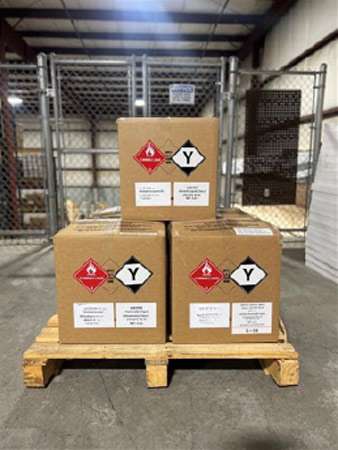
In the logistics industry, shipping dangerous goods (DG) must be handled like the precise operation it is, with lives, the environment, and your bottom line at stake. Flammable, corrosive, toxic, and explosive materials demand rigorous handling and compliance without exception. When even one detail slips through the cracks, the fallout can be devastating. In this blog post, we break down 5 common mistakes when shipping dangerous goods and pair each with actionable prevention strategies to help you mitigate risks on your next shipment.
Top 5 Common Mistakes Shipping Dangerous Goods
1. Safety Hazards for People and Property
What Can Go Wrong:
Mislabeled or poorly packaged materials can leak, combust, or explode during transit or storage. Improperly stored flammable substances have caused warehouse fires and transport vehicle explosions, endangering both workers and the public. One of the most catastrophic examples was the 2020 Beirut explosion, which was caused by improperly stored ammonium nitrate.
How to Prevent This:
- Train All Personnel Accordingly: Everyone from handlers to admin must complete certified DG training covering classification, labeling, packaging, and emergency protocols.
- Enforce Proper Packaging Standards: Use compliant, tamper-proof packaging and mode-specific containment practices for all dangerous goods.
- Label for Visibility and Clarity: Ensure labels follow UN and modal requirements, are weather-resistant, and positioned for quick identification.
2. Environmental Damage
What Can Go Wrong:
Hazardous leaks during land or sea transit can cause widespread contamination, from toxic spills polluting water systems to corrosive agents seeping into soil and destroying ecosystems. The cost of cleanup can stretch into the millions, and damage your reputation for years to come.
How to Prevent This:
- Use Smart Tracking and Monitoring Tools: Employ IoT sensors and NEO tracking for real-time temperature, pressure, and spill alerts.
- Conduct Regular Container Inspections: Routine checks before loading, during transit, and at delivery prevent undetected leaks.
- Build Emergency Containment Protocols: Have spill kits and containment barriers readily accessible, especially in multi-stop or cross-border routes.
3. Supply Chain Disruptions
What Can Go Wrong:
Incorrect paperwork, undeclared hazardous items, or non-compliant packaging can lead to customs clearance delays, quarantines, or outright shipment rejections. One container flagged at a port or airport can jam up an entire route or customer order flow.
How to Prevent This:
- Automate and Digitize Documentation: Use DG-compliant logistics software to generate consistent, accurate documentation and reduce human error.
- Standardize Compliance Checks Across Modes: Ensure all legs of a multimodal shipment (air, sea, rail, road) are aligned to meet regulatory requirements.
- Collaborate with Certified DG Experts: Leverage 3PLs or consultants with proven dangerous goods compliance capabilities to eliminate blind spots.
4. Regulatory and Legal Repercussions
What Can Go Wrong:
Non-compliance with international and domestic DG regulations can result in massive fines, permit revocations, and even criminal charges. Organizations like IATA, the IMDG Code, and national DOTs enforce strict standards, and they don’t tolerate shortcuts.
How to Prevent This:
- Stay Updated with Regulatory Changes: Remain current on international and regional DG requirements, either partnering with an outside expert in this area or assigning an in-house savant.
- Conduct Routine Compliance Audits: Run internal audits quarterly to review shipping logs, packaging standards, and training records.
- Integrate Compliance into SOPs: Ensure that compliance isn’t an afterthought; it should be built into the workflow of every shipment, from booking to delivery.
5. Damage to Brand and Reputation
What Can Go Wrong:
One mishap involving dangerous goods can end up in the news and on regulatory watchlists, shaking customer confidence and destroying your hard-earned credibility. Customers and partners have long memories and plenty of alternatives in the industry, so your brand reputation is not to be tested.
How to Prevent This:
- Build a Safety First Culture: Instill accountability at every level. Empower teams to speak up about risks, shortcuts, or unclear procedures.
- Publicly Demonstrate Compliance Commitments: Share your safety record, certifications, and audit outcomes with clients and partners to build trust and demonstrate your expertise.
- Act Fast When Incidents Happen: If something goes wrong, have a transparent incident response plan. Own the issue, solve it, and communicate clearly with your customers.
Avoiding Costly Mistakes
Incorrectly shipping dangerous goods doesn’t just break regulations, it breaks trust, ecosystems, supply chains, and even lives. Every incident is preventable with the right training, tools, systems, and mindset. If you’re involved in shipping or logistics, now’s the time to audit your DG operations. If you don’t have the in-house expertise and are searching for a partner, contact us today and we’ll walk you through our DG protocols to see if we could be the right fit!